Iceland Winter Itinerary: Northern Lights, Lagoons & Waterfalls
Short days, long nights, hot water everywhere and a real chance at the northern lights
This post contains affiliate links. If you book or buy through them, I may earn a small commission at no extra cost to you.
Planning Iceland in winter and wondering what to do besides chasing the northern lights? This 5-day Iceland itinerary covers the best things to do in winter: Reykjavik, the Golden Circle and Blue Lagoon, Perlan, a northern lights tour, the South Coast and Sky Lagoon, all based on our own trip.
Northern lights tours start at 8 or 9pm and can finish around 2am, so we gave that day a slower start. It’s nice not having to wake up at 6am for a full-day tour first. I’ve put the days in the order that worked best for us, although, as you’ll see, our trip didn’t quite go to plan.
The weather in Iceland is unpredictable and plans can change quickly, so be prepared to adapt. Our excursions did not go ahead as planned and we ended up changing the order of activities. We also had the northern lights tour cancelled the first night because of the weather, but we were lucky enough to go the following night and see them (faintly, but they were definitely there).
Day 1: Arrive and Explore Reykjavik
📍 We stayed on Laugavegur, about a ten-minute walk from Hallgrímskirkja.
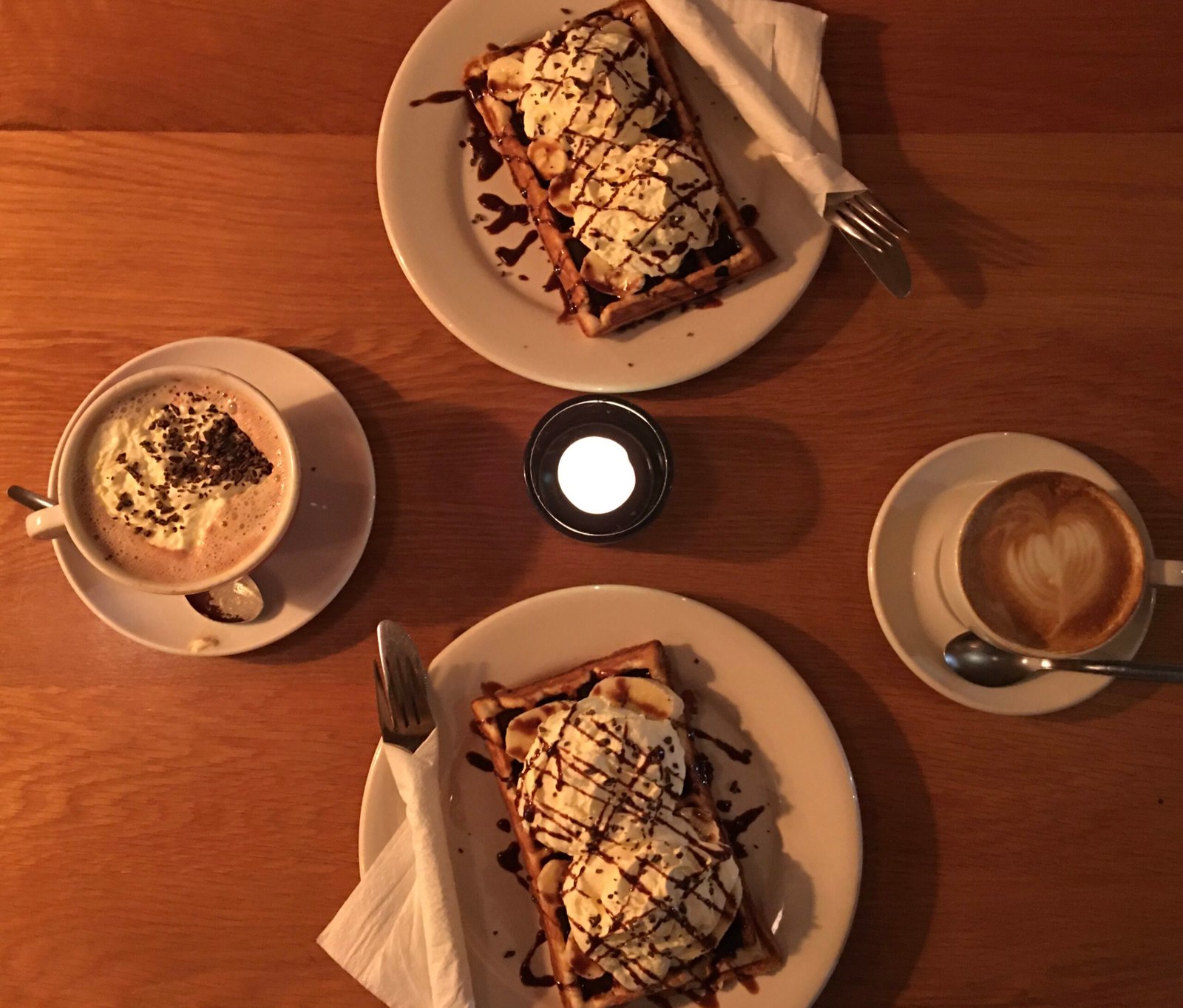
Reykjavik is really pretty, especially in winter. You won’t need long to see the centre, and the cafés are cosy and cute, which suits a short winter day.
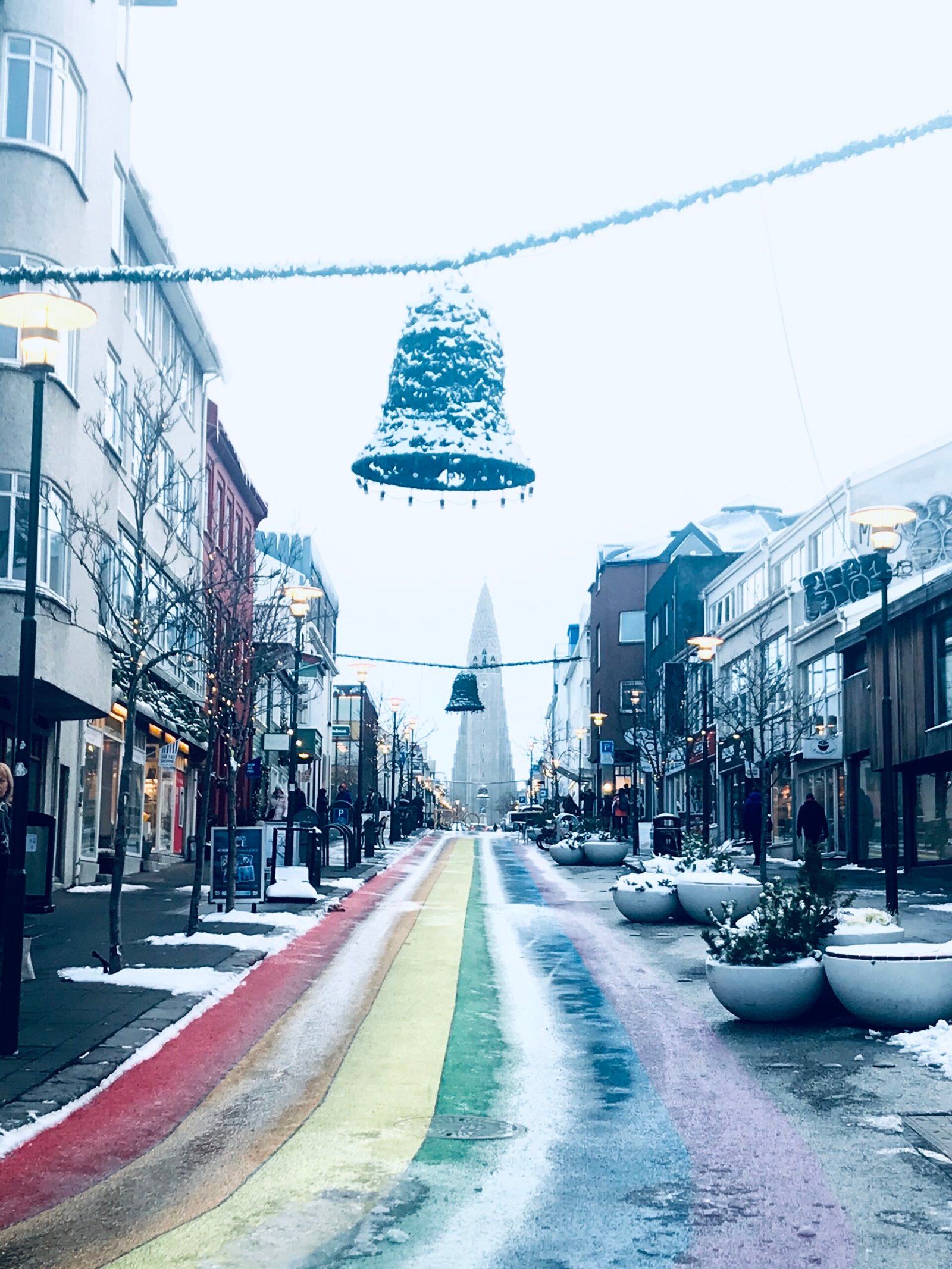
The main street leading up to Hallgrímskirkja, the big church that dominates the skyline, is a lovely walk. It’s called Skólavörðustígur, or Rainbow Street, because of its colourful painted road. There’s also a walk by the water towards the harbour that’s very picturesque. The stretch past Harpa and the Sun Voyager sculpture is part of the Sculpture and Shore Walk, which is about 5 km (3 miles) in total.
Worth visiting?
Reykjavik is absolutely worth visiting, especially if you’re venturing out to see more of the country. It’s really pretty in winter and the cafés are cosy and cute.
Things to do
- Skólavörðustígur (Rainbow Street). Walk up the colourful street towards Hallgrímskirkja.
- Hallgrímskirkja. The spire is 74.5 metres tall, the tallest building in the city, and a lift goes up to an observation tower (small fee).
- The waterfront walk. Wander along the water towards the harbour, past Harpa Concert Hall (opened in 2011) and the Sun Voyager sculpture.
- Café stops. The best way to warm up between walks.
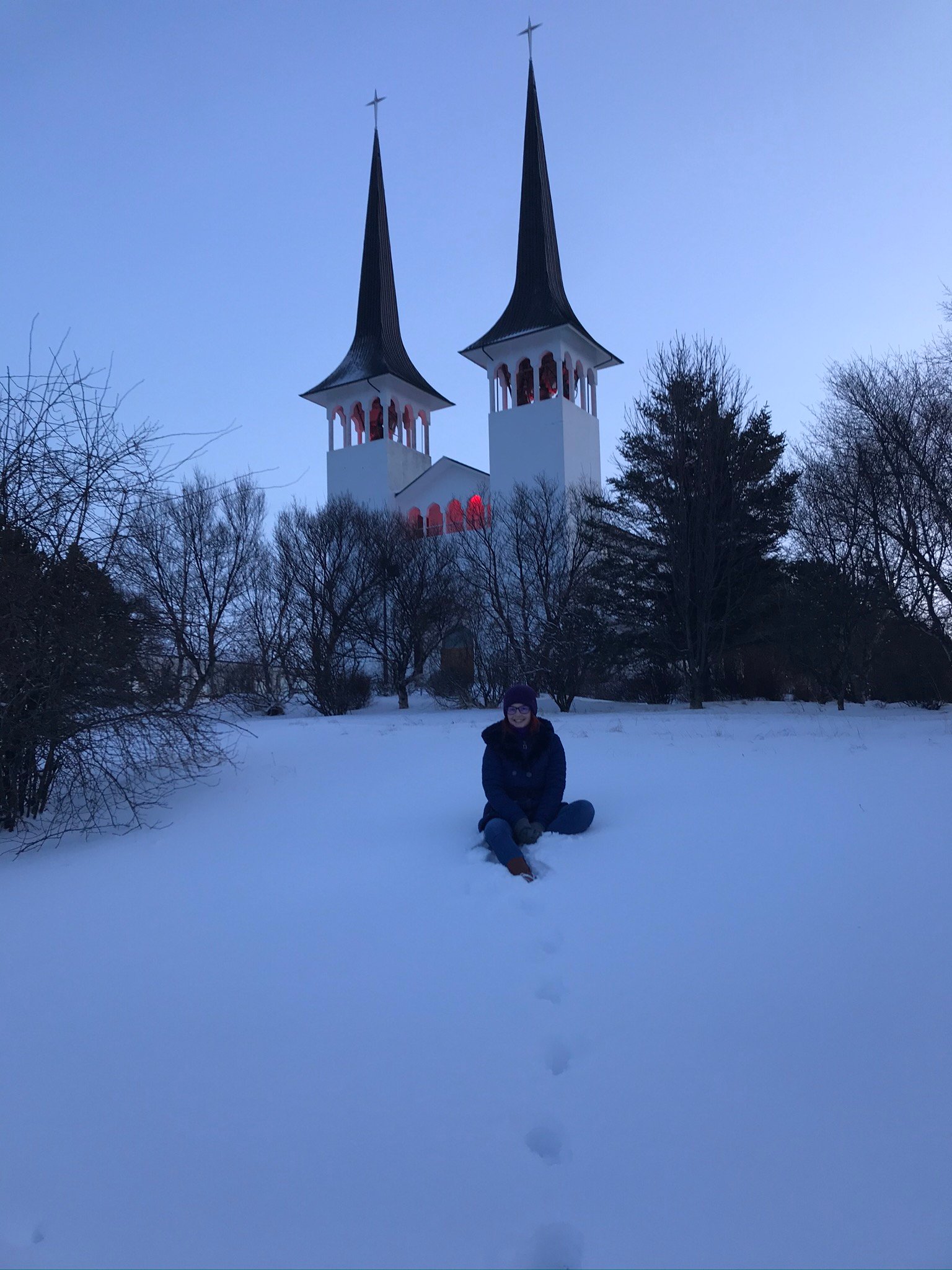
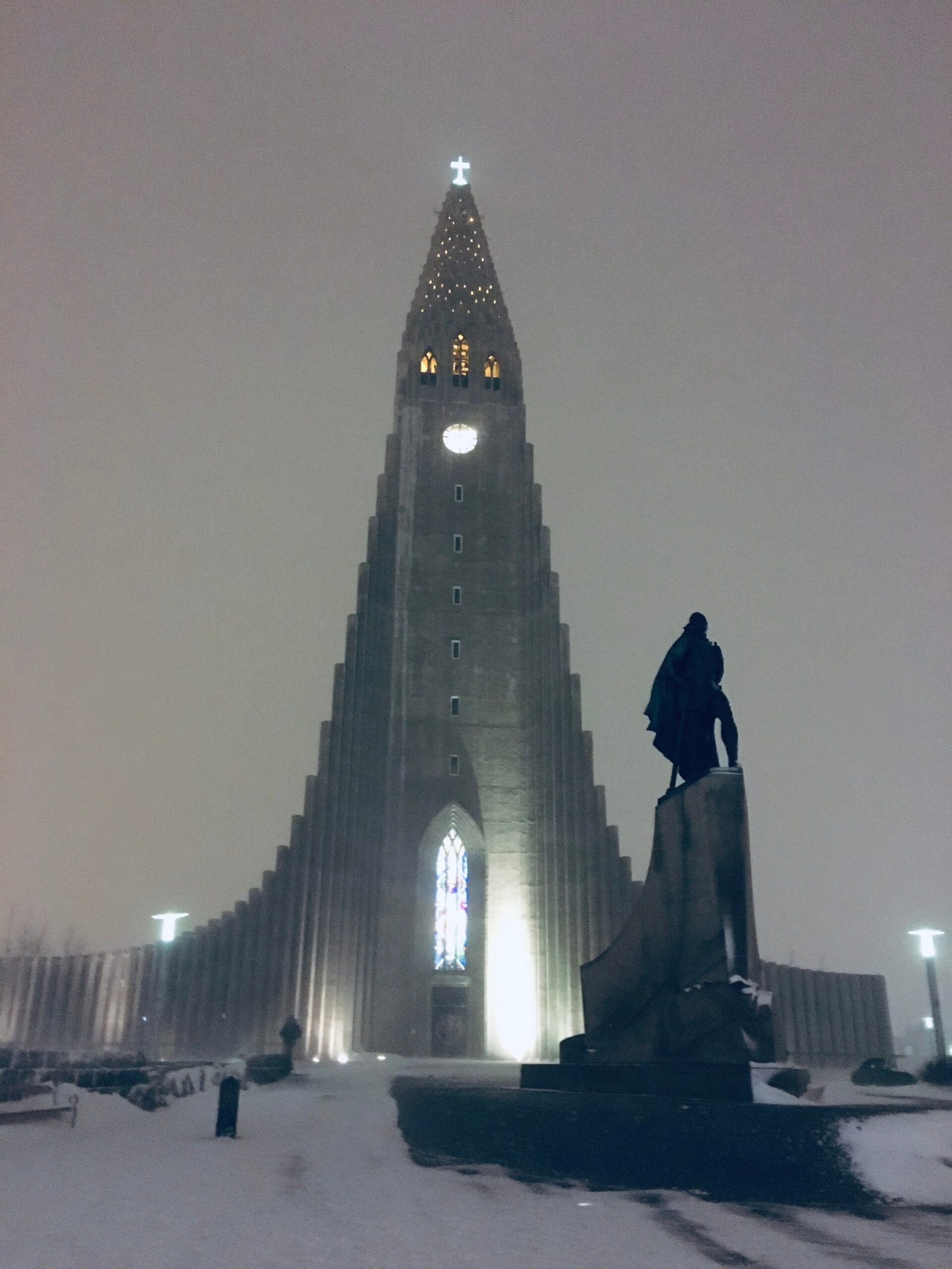
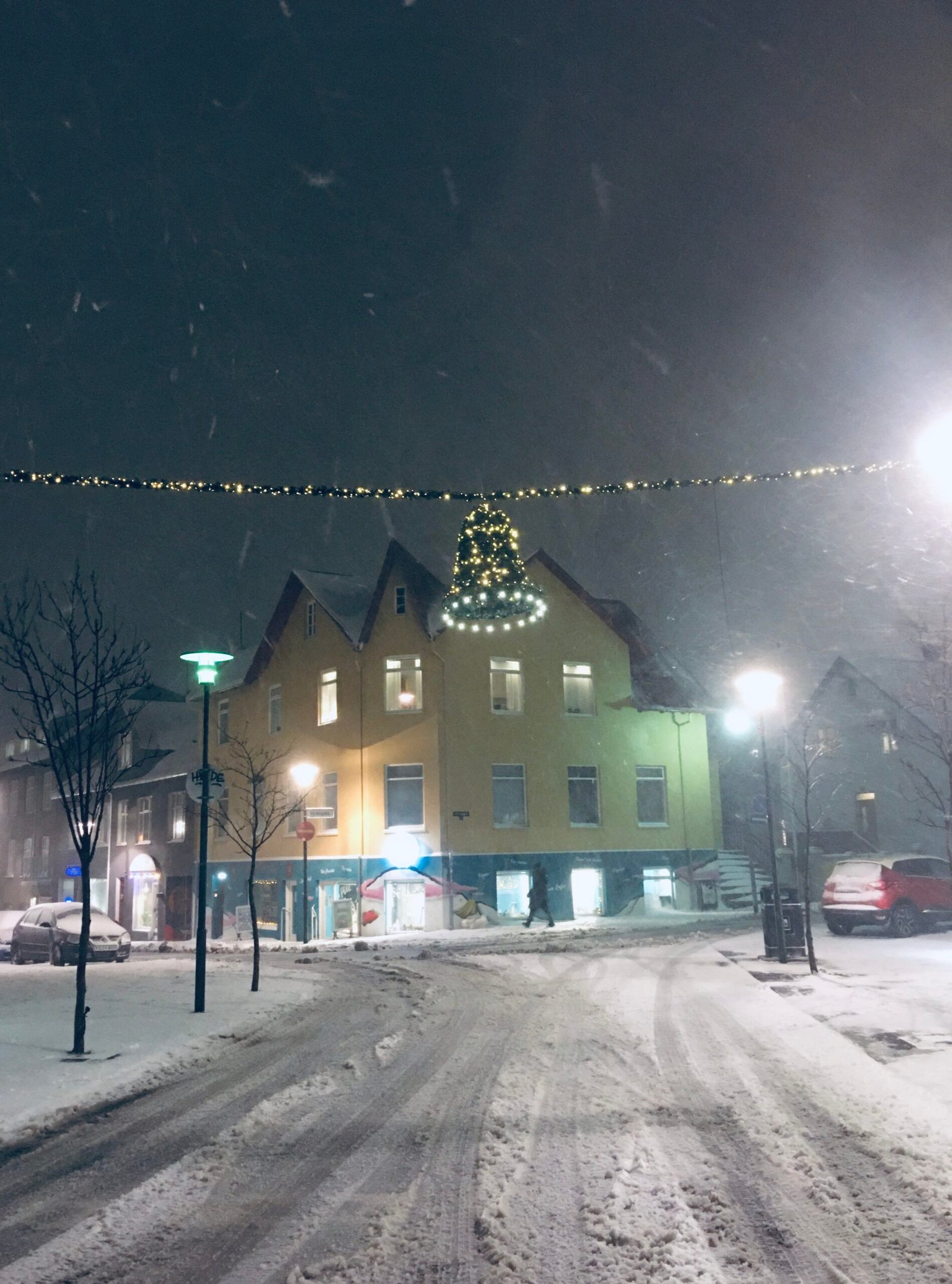
When we got out of the airport we weren’t prepared for it and nearly got blown over, but in the city it is not that bad. Daylight is the other thing to plan around: in Reykjavik the sun rises at about 10:45 and sets at about 15:47 on 1 December, and on the shortest day (21 December) you get just over four hours of daylight. By mid-February that grows to roughly nine hours.
Day 2: The Golden Circle and Blue Lagoon
🚌 The Golden Circle tour takes 7 to 8.5 hours, and the combined tour with the Blue Lagoon is about 11 hours.
The Golden Circle tour was good, and it was nice to be in a warm bus between stops. It’s also doable as a self-drive, as long as you follow the signs and take the necessary precautions (more on that below). The route is a loop of roughly 250 to 300 km from Reykjavik, depending on whose figures you use, linking three headline stops. The name is often tied to Gullfoss, which means “Golden Falls”, although the term itself was developed to promote tourism in Iceland.
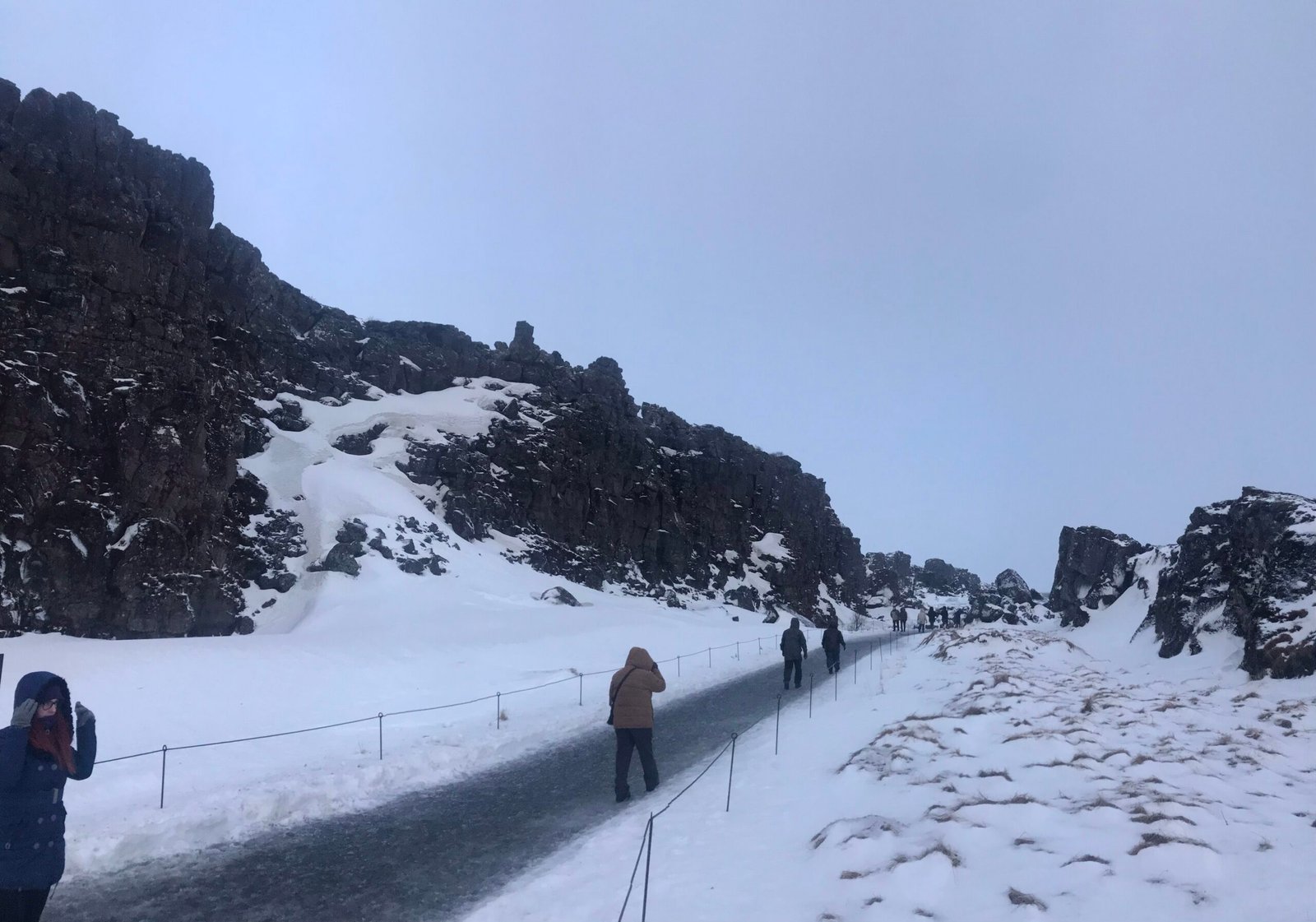
Þingvellir National Park was just mind-blowing, because you walk between tectonic plates. It’s a UNESCO World Heritage Site (since 2004) where the North American and Eurasian plates are drifting apart by about 2 cm a year, and you can see the gap in the Almannagjá gorge, which is around 8 km long. It’s also where Iceland’s parliament, the Alþingi, was founded in 930, and the Law Rock, Lögberg, was its centre until 1262. The park stays open all winter, and the main walking trail is maintained daily. If you ever fancy snorkelling between the plates, the Silfra fissure is right there too.
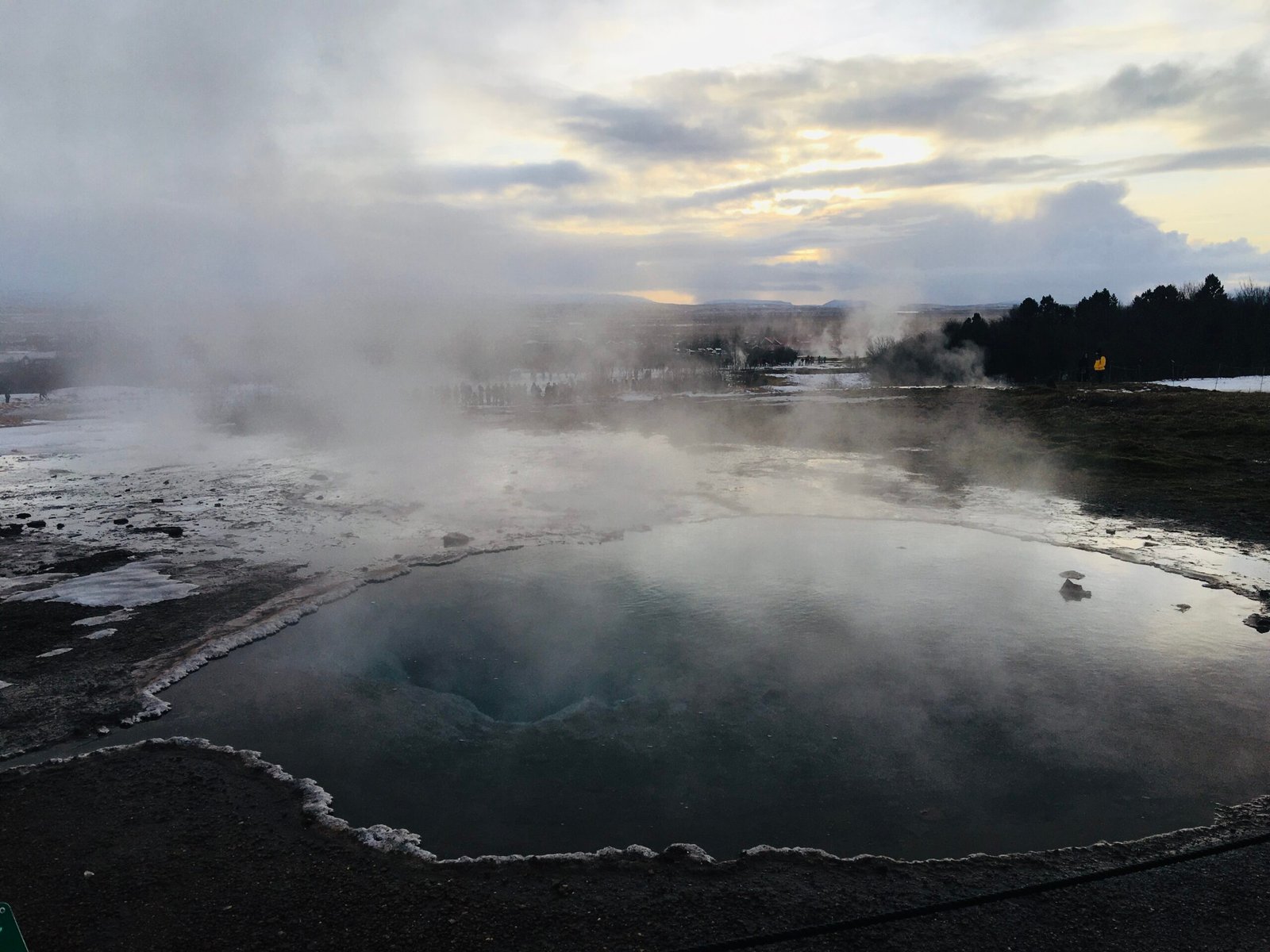
Geysir is in the Haukadalur geothermal area. The original Geysir has been mostly dormant for many years, but it gave its name to every geyser in the world, and its neighbour Strokkur erupts every 5 to 10 minutes, shooting boiling water up to around 30 metres into the air.
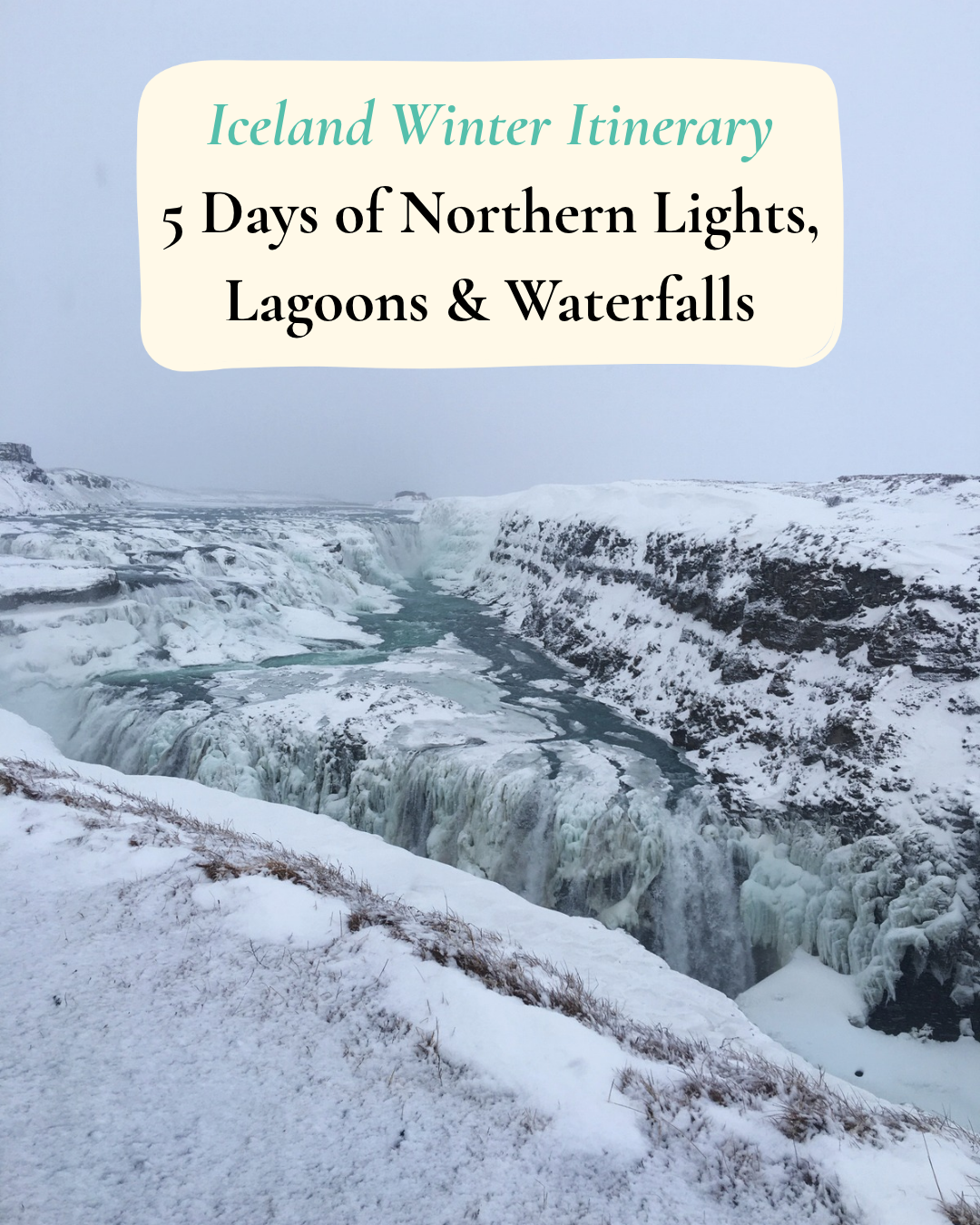
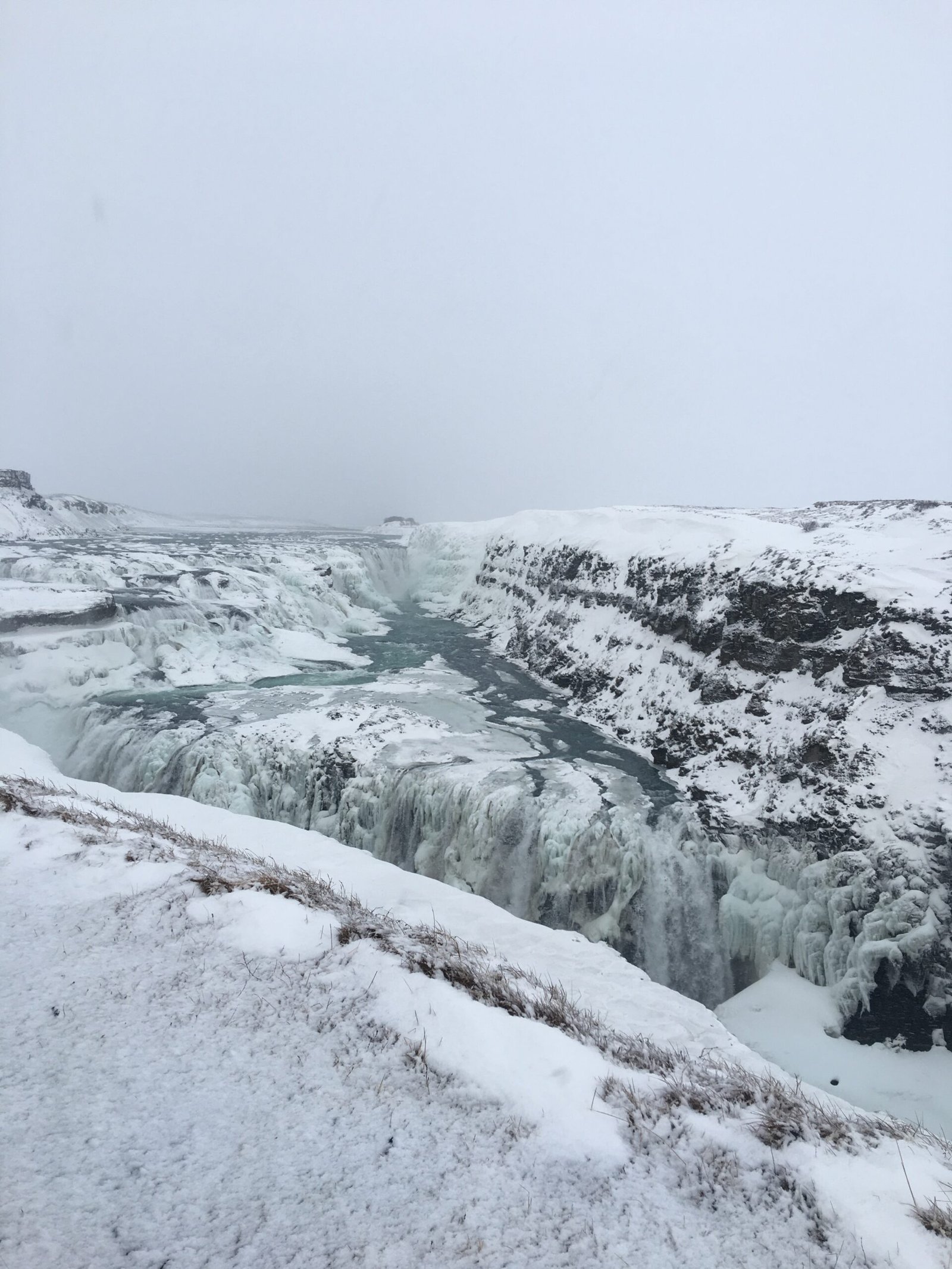
The best part for me was Gullfoss and the walk to the top. It’s very slippery, but worth it. Everything is frozen and it looks like a winter wonderland. The water drops 32 metres in two stages (11 and 21 metres) into a canyon about 2.5 km long. The lower platform can be closed when it’s icy, so wear boots with good grip.
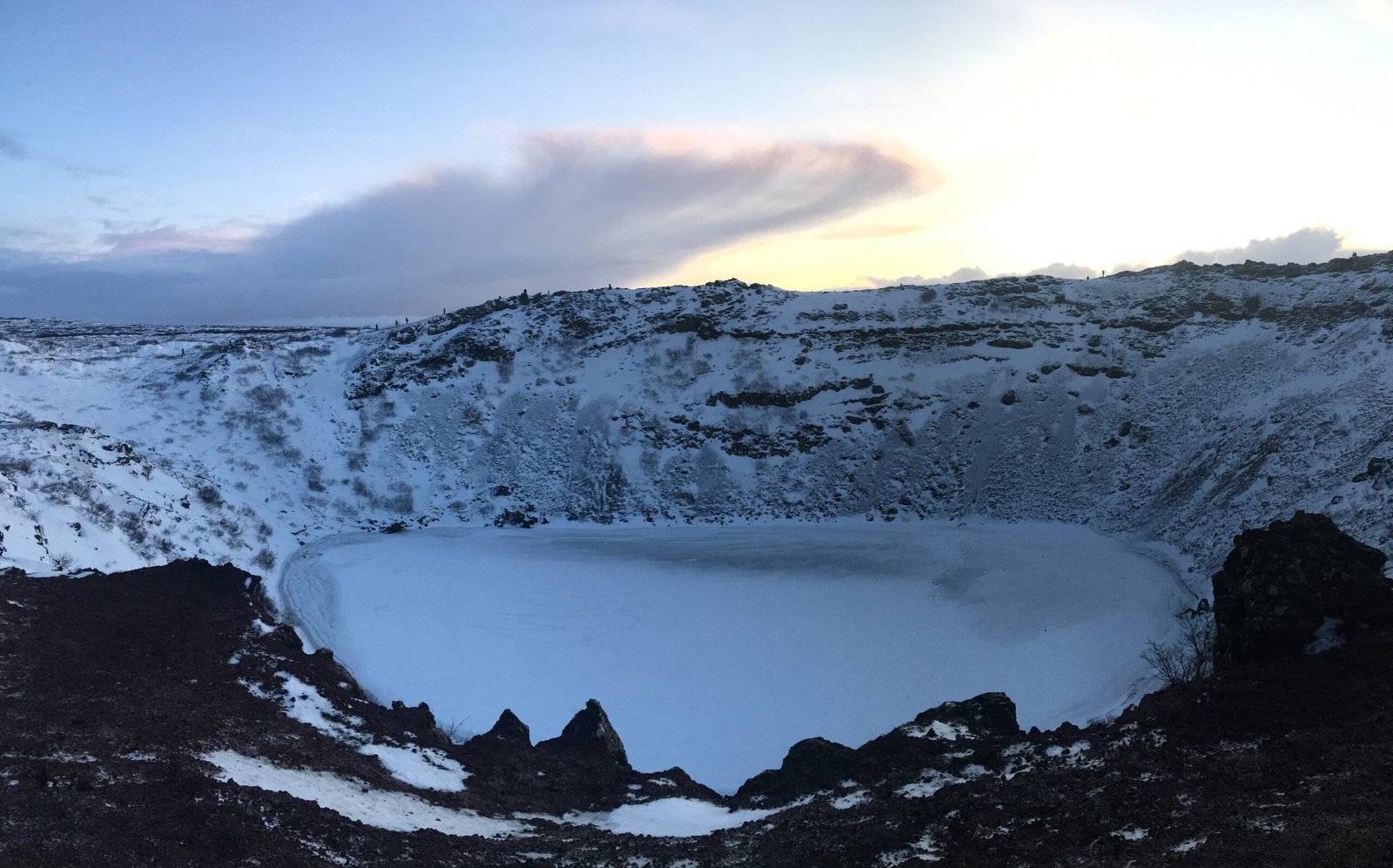
Kerið is a volcanic crater lake in the Grímsnes area, and it formed roughly 6,500 years ago (published estimates go up to 9,000). The crater is about 270 metres long, 170 metres across and 55 metres deep, and the walls are red because of oxidised iron. The lake at the bottom is aquamarine, but only 6 to 14 metres deep, depending on groundwater, and in winter it often freezes white. You can walk around the rim on loose red gravel, and a long staircase leads down to the water, which can be icy, so wear shoes with good grip. In winter 15 minutes is enough to see the crater from the top. There’s an entrance fee (listed at 700 ISK as of March 2026, so check the current price), and it’s worth checking whether your tour covers it.
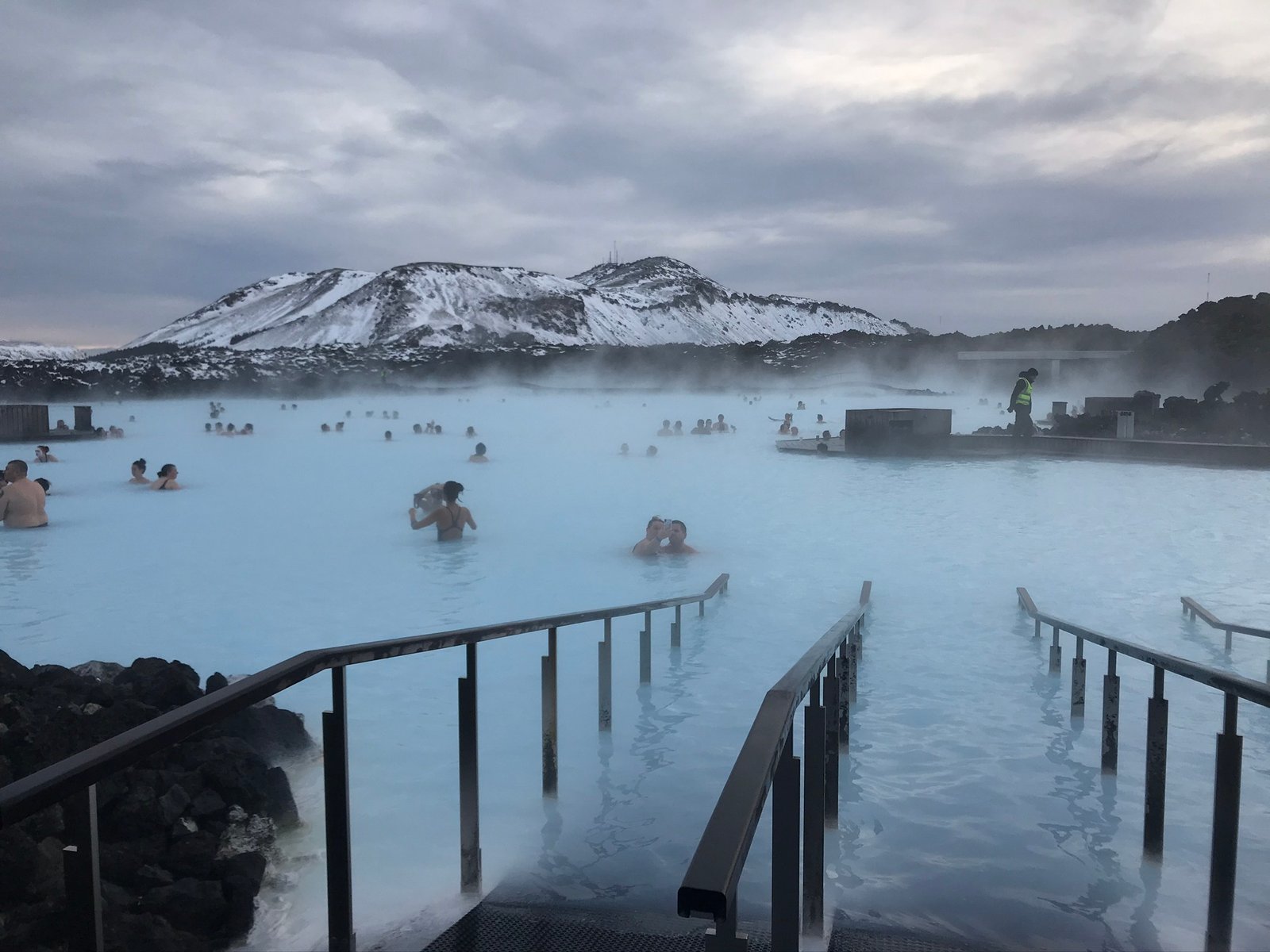
The Blue Lagoon is touristy, but for a reason, and it’s worth it. People often assume it’s a natural hot spring. It’s not quite: it formed by accident in the 1970s, when excess water from the Svartsengi geothermal power plant spread across the lava field and, thanks to its silica, stayed put. The Blue Lagoon itself says it is neither strictly man-made nor entirely natural. The milky blue water is geothermal seawater, about 70% seawater and 30% freshwater, rich in silica and minerals. As of 12 October 2026 there was no active eruption in Iceland, but magma is still building up beneath Svartsengi, so check the Icelandic Met Office and your airline before you travel.
The first time, we booked the Golden Circle and the Blue Lagoon separately. The second time we visited, we did the combined tour, which ended at the Blue Lagoon instead of us booking it separately. Both excursions were basically the same.
Worth it?
Yes, to both. The Golden Circle and the Blue Lagoon are touristy, but for a reason, and they’re worth it.
It’s doable, but winter changes the rules. SafeTravel says headlights must be on at all times (the car’s “Auto” setting isn’t enough), you should check road conditions in the morning and again during the day, and you should drive to the conditions, not the speed limit. Single-lane bridges have a 50 km/h limit and the first car to arrive has priority. Check road.is before you set off, as black ice, whiteouts and strong crosswinds are all possible, and the road to Gullfoss (Route 35) is exposed and can close suddenly in heavy snow. At Þingvellir, parking is paid per car per day (1,000 ISK for a standard car, one payment covers all the car parks). Follow the signs, and if the forecast looks rough, a guided tour is the easier choice.
Things to do
- Þingvellir. Walk between the tectonic plates through the Almannagjá gorge.
- Geysir and Strokkur. Watch Strokkur erupt every 5 to 10 minutes.
- Gullfoss. Walk up to the top, but watch your footing, it’s very slippery.
- Kerið crater. A red volcanic crater with an aquamarine lake, often frozen white in winter.
- Blue Lagoon. Touristy for a reason, and worth it, especially after a cold day outdoors.
Reykjavik: Golden Circle Full-Day Tour with Kerid Crater
A full-day guided tour of the Golden Circle, lasting 7 to 8.5 hours with pickup available, taking in Þingvellir, Geysir and Gullfoss, plus the Kerið crater.
Official Blue Lagoon Iceland: Comfort admission
Comfort admission gives you access to all the lagoon spaces, a towel, a non-alcoholic drink and one silica mud mask at the mask bar, in geothermal seawater surrounded by lava.
Reykjavik: Golden Circle, Kerid Crater, & Blue Lagoon Tour
The Golden Circle and the Blue Lagoon in one day: Þingvellir, Geysir, Gullfoss and Kerið, finishing with a soak in the Blue Lagoon with admission included. About 11 hours with a live English-speaking guide and pickup included.
We did this one the second time we visited.
Day 3: Perlan by Day, Northern Lights by Night
📍 Perlan sits on Öskjuhlíð hill and its exhibitions are open from 9:00 to 21:00.
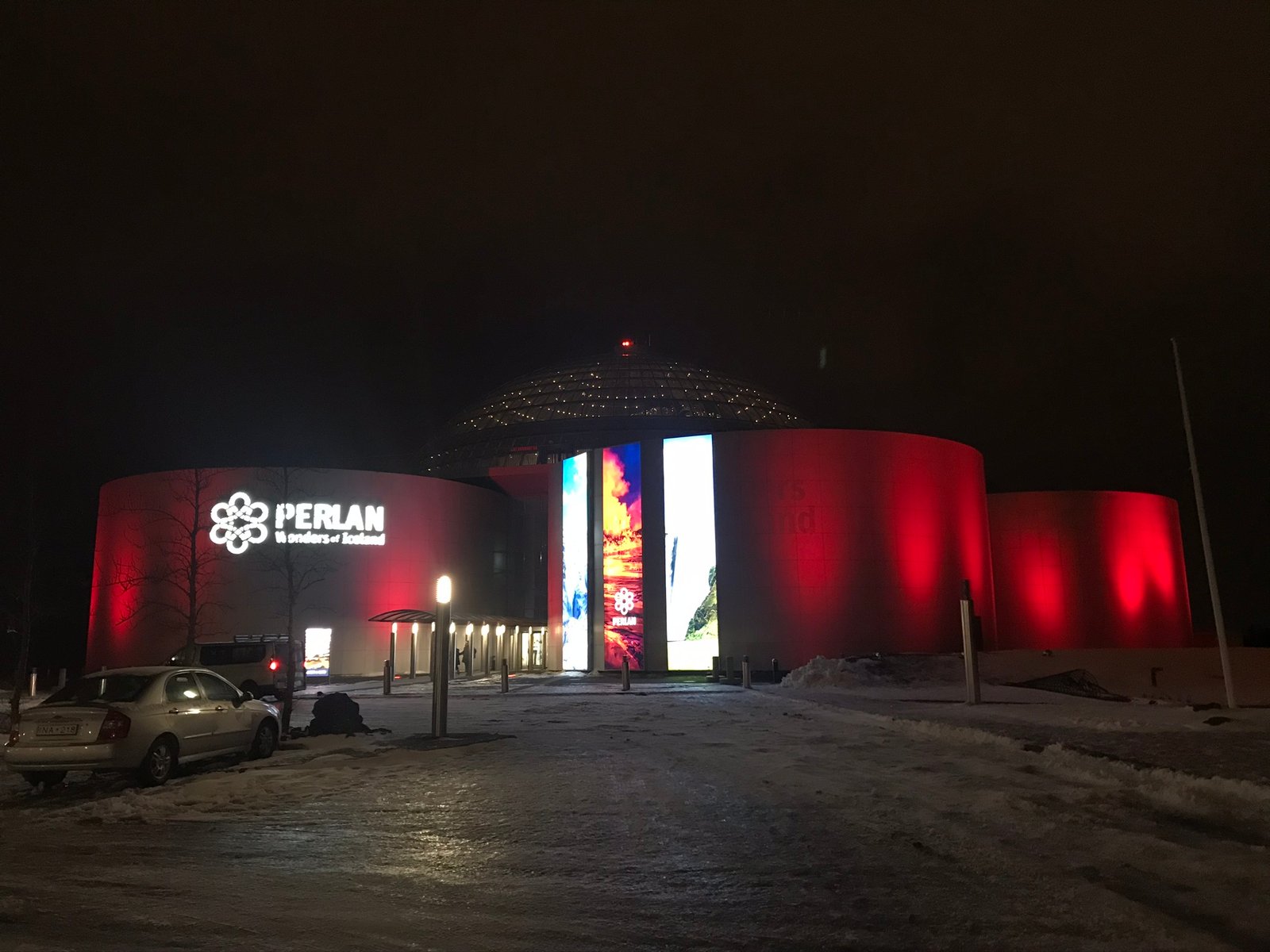
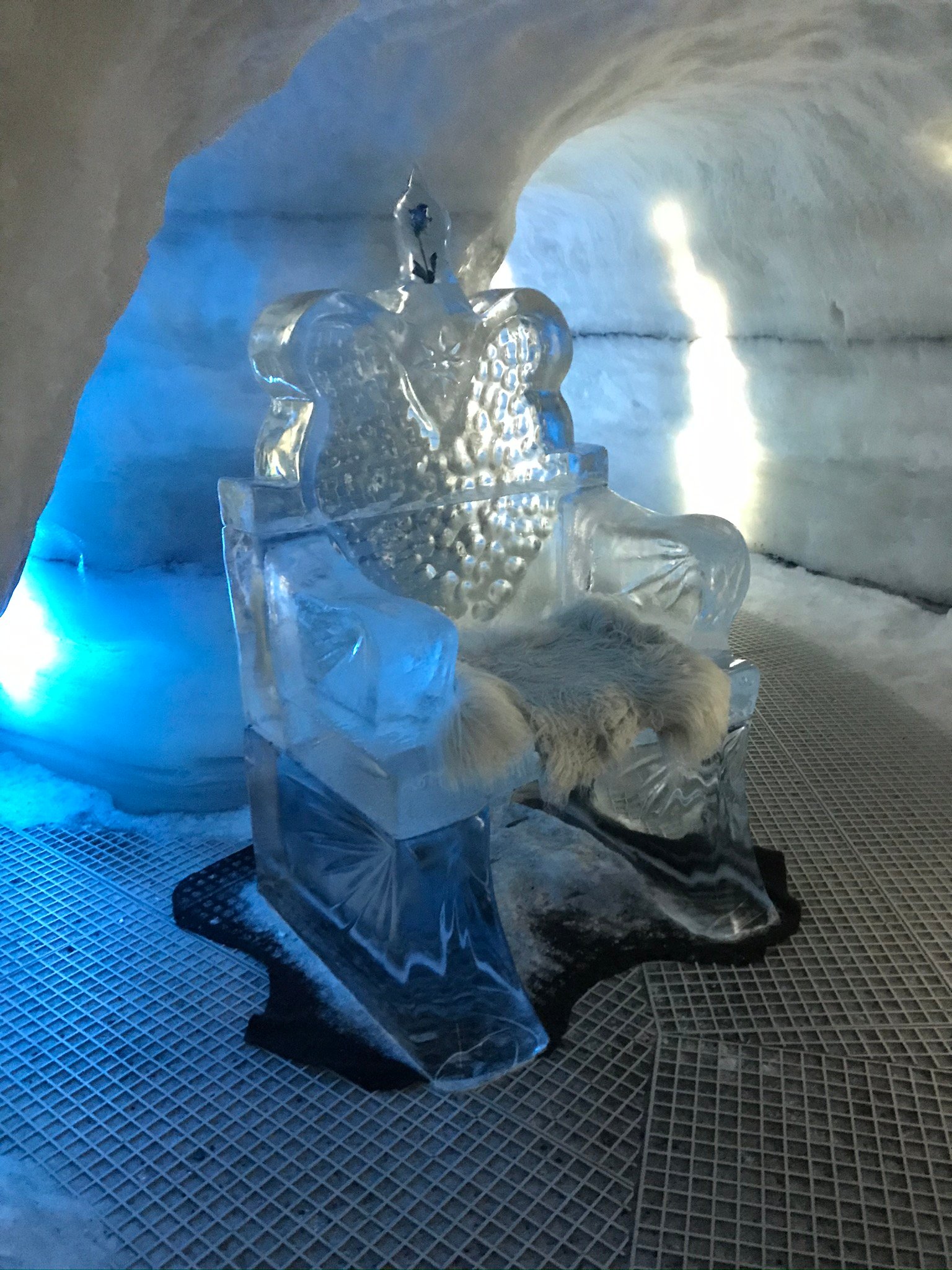
Perlan was really good. We spent half a day there, and it’s a museum with a lot of information and interactive activities. The building sits on top of hot water tanks under a glass dome, and inside you can stand in a real indoor ice cave (about 100 metres long, built from around 400 tons of ice, snow and ash), watch a volcano show, and learn about glaciers, geysers, earthquakes and how Iceland formed in the Wonders of Iceland exhibition. The planetarium shows Áróra, a northern lights film in 8K, and the observation deck gives you a 360-degree view over Reykjavik. The restaurant and café on the top floor even revolve a full 360 degrees.
We then took a guided northern lights tour and went deep into the wild to find pitch black. We were lucky enough to see faint activity, but we stood in the cold for a good few hours before that. They gave us hot chocolate and snacks while we waited, which I found really cute.
Worth it?
Perlan was really good, and after a few cold hours we were lucky enough to see the northern lights, faintly.
You need darkness and clear skies, and cloud is the biggest problem. The Icelandic Met Office publishes a cloud cover map and an aurora activity forecast on a scale of 0 to 9. The peak window is roughly 10:30pm to 1am, and your eyes need several minutes to adjust, so be patient. The season runs from September to April, and March and September are often named as the best months. A guided tour helps because the guides head wherever the forecast looks best, and ours offered a free retry on another night if the lights didn’t show.
Chasing the lights means standing still in the cold for hours, so what you wear really matters. I’ve put together a full guide to what to pack and wear for chasing the northern lights.
Things to do
- Step inside the ice cave. A real indoor ice cave in the middle of Reykjavik.
- Volcano show.
- Áróra planetarium show. A northern lights film, handy as a backup if the real sky doesn’t cooperate.
- Observation deck. A 360-degree view over Reykjavik and beyond.
- Northern lights tour. Wrap up warm, you’ll be standing still outdoors for a while.

Reykjavik: Perlan – Wonders of Iceland Experience
Perlan is Iceland’s largest museum. Step inside a real ice cave, feel the power of volcanoes, and sit back in the planetarium to watch the northern lights dance above you. The ticket is listed as valid for 2 hours from first activation, so check the current terms if you plan a long visit like ours.
From Reykjavik: Northern Lights Bus Tour with Hot Cocoa
A 4-hour evening bus tour out of the city lights in search of the aurora. Your guides share how and why the lights happen, there are stops for photos, and you can join another northern lights tour free of charge if they don’t appear. Sightings are not guaranteed and the tour is weather-dependent.
Day 4: The South Coast
🚌 The tour takes about 10 hours, and Vík is roughly 180 km from Reykjavik.
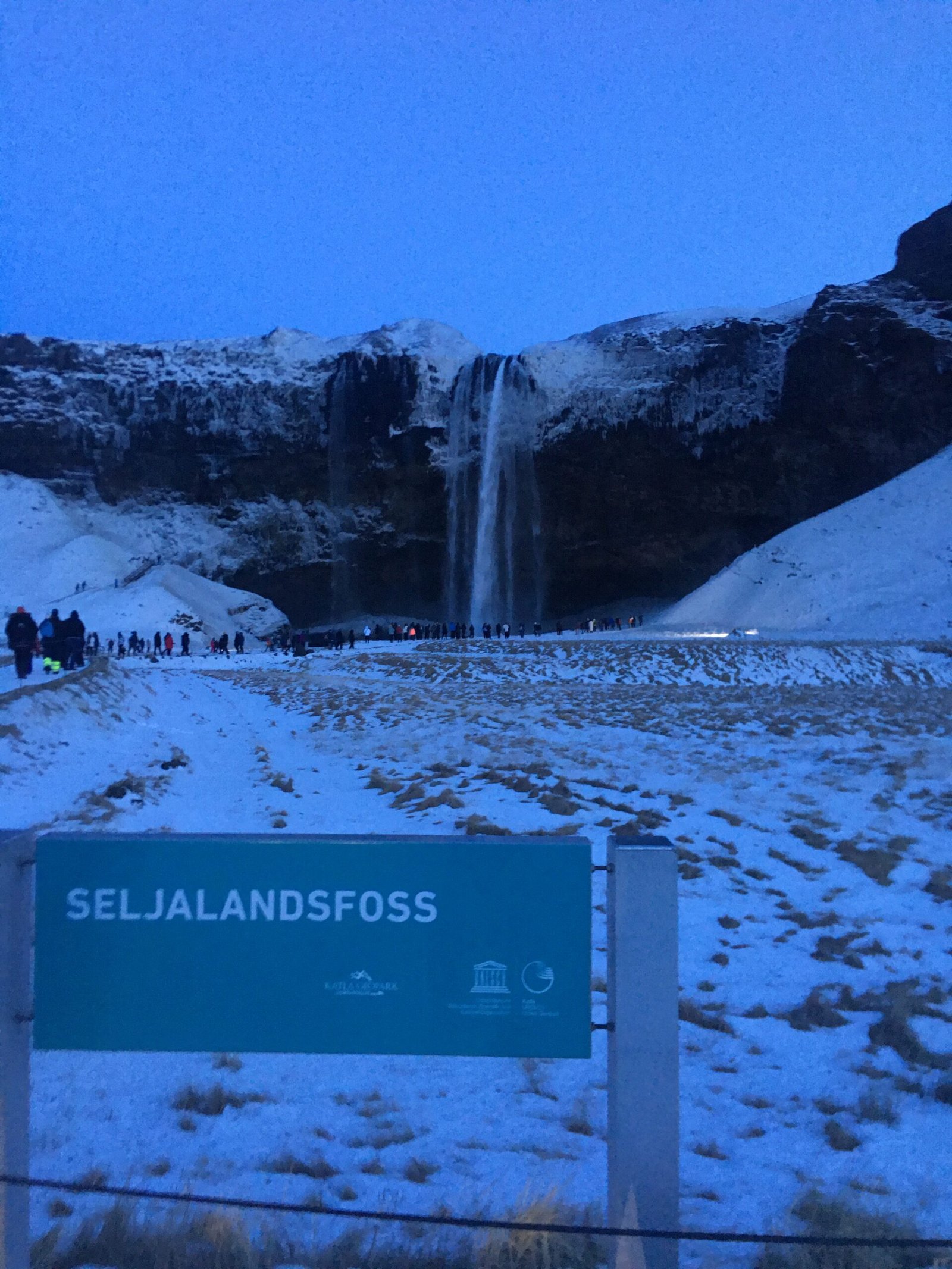
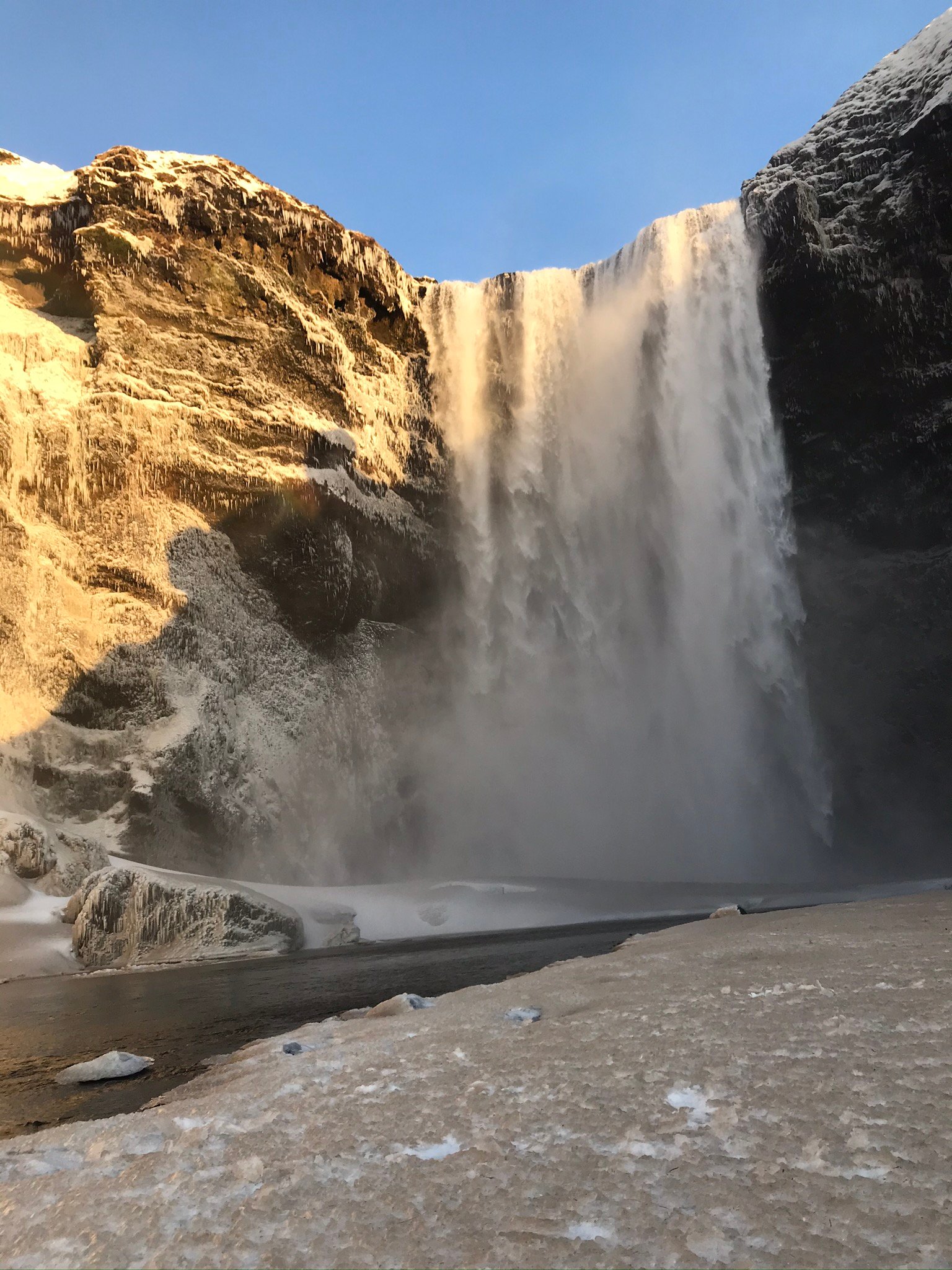
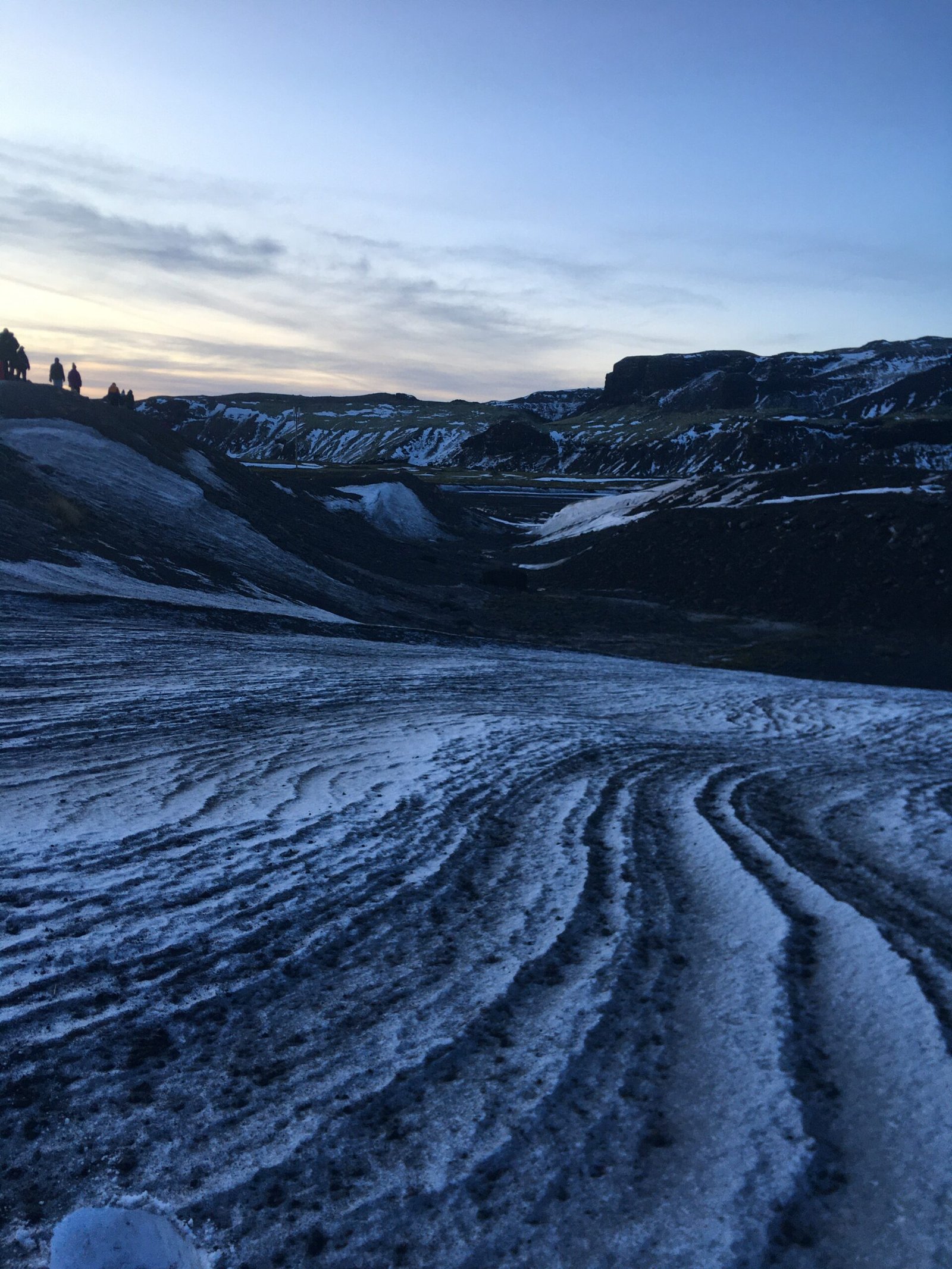
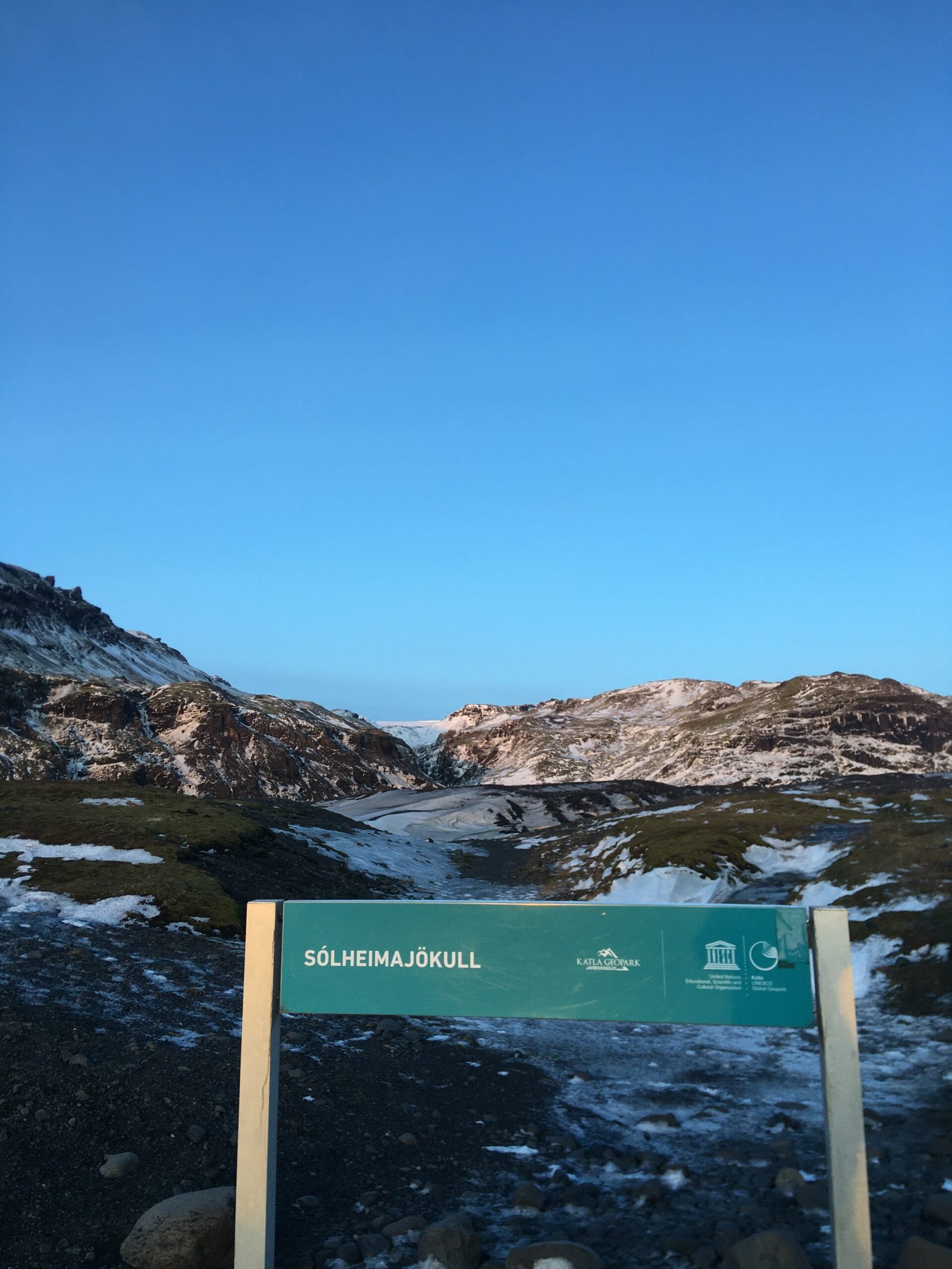
The South Coast day trip was really nice. We stopped at a few waterfalls, a glacier and the black sand beach. Seljalandsfoss drops about 63 metres, and in winter the path behind it is usually closed because it gets too slippery. Skógafoss is around 60 metres high, and there’s a path with more than 500 steps up the side. Sólheimajökull is an outlet glacier of Mýrdalsjökull, and you should never step onto the ice without an experienced guide.
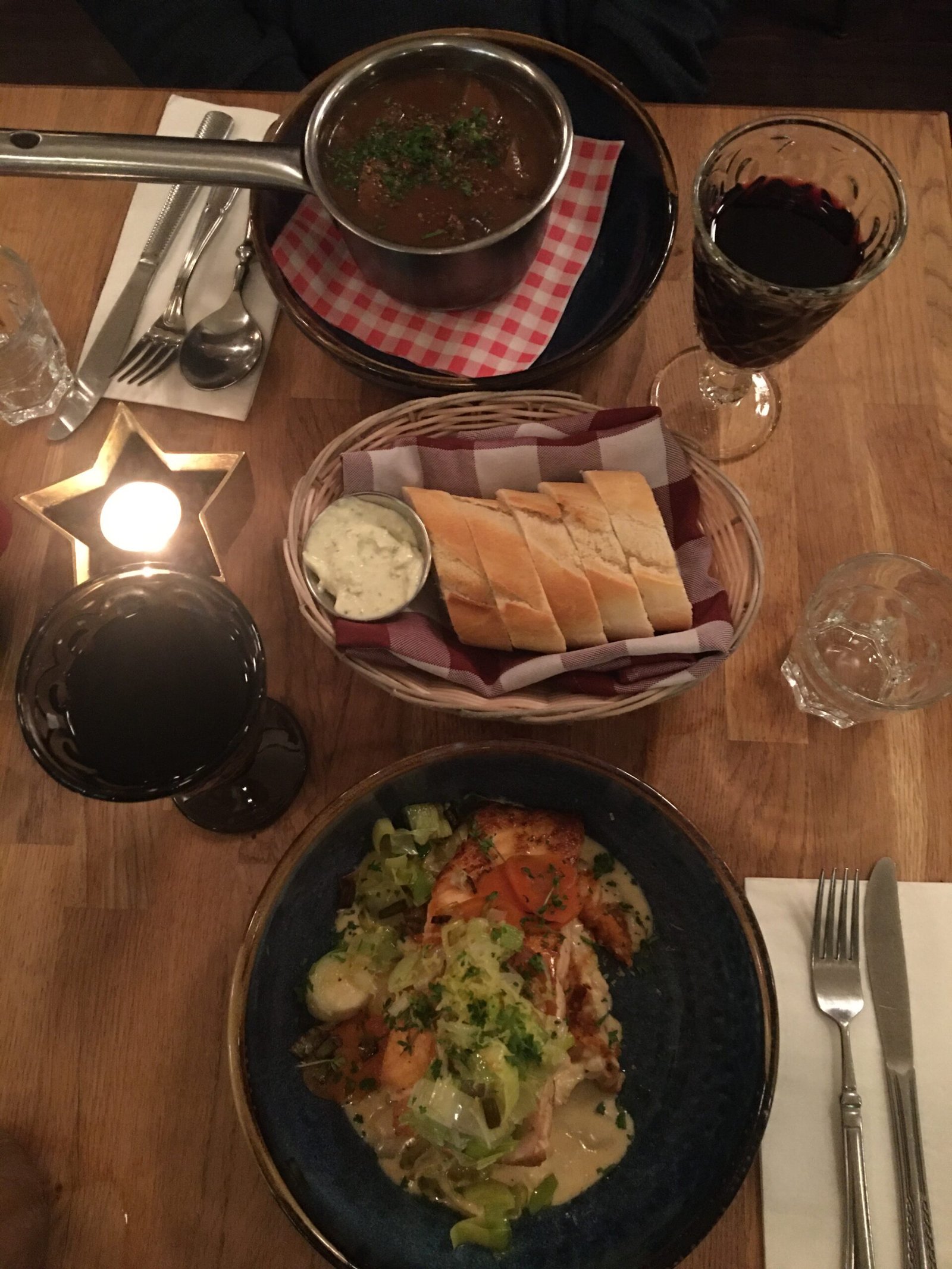
The tour included lunch, and we stopped at a local restaurant to try Icelandic food.
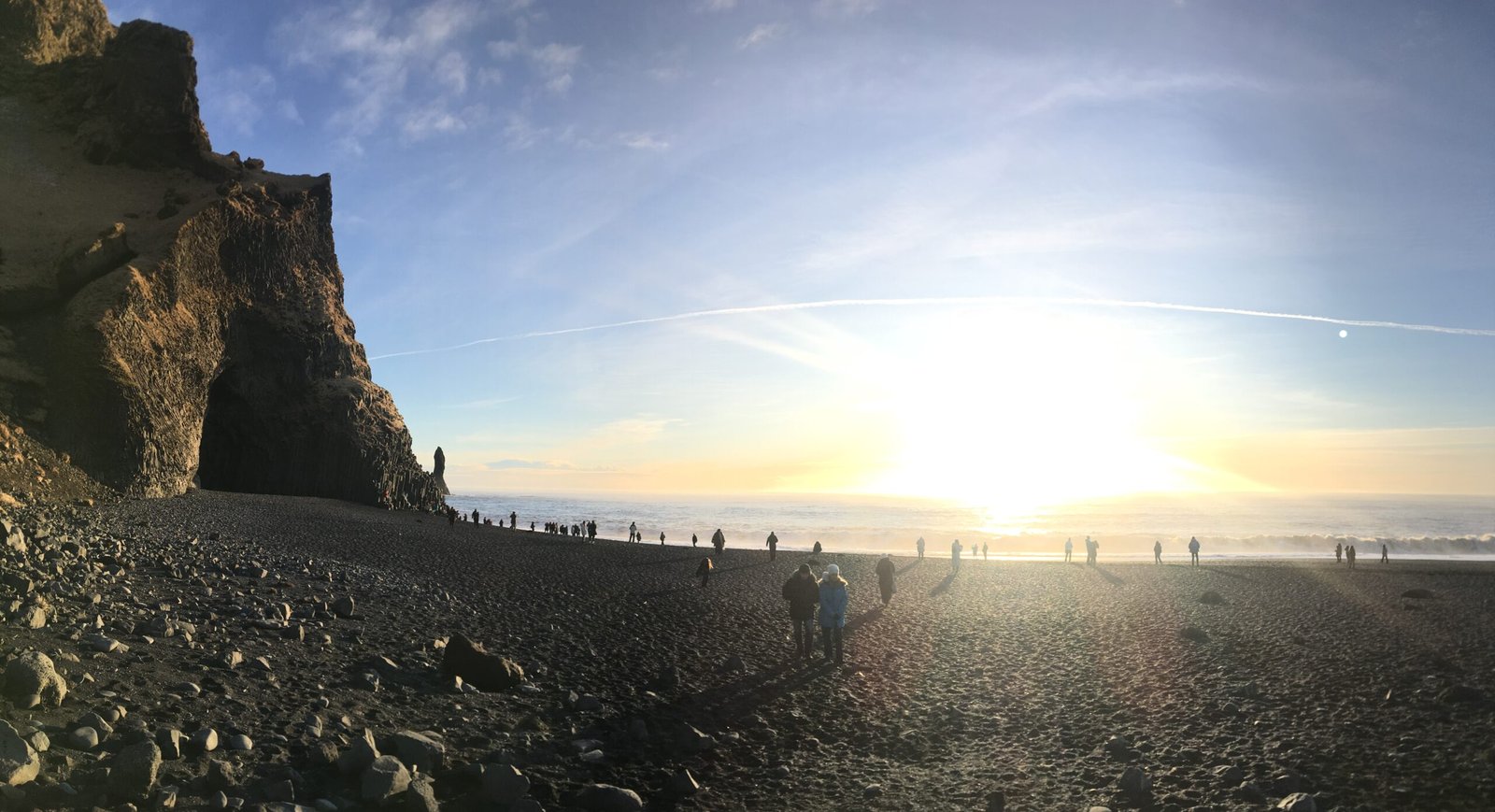
The black sand beach is Reynisfjara, which has a reputation as one of the most dangerous beaches in the world. It was open when we went, and it was truly a sight. The reason is sneaker waves, which can surge far up the beach faster than a person can run, so stay at least 30 metres from the water, even where the sand looks dry. A traffic-light warning system at the beach access shows red for “beach closed, do not approach the water”, yellow for increased risk, and even green isn’t a guarantee. The beach is for looking at, not for getting close to the water. For a safer view, Dyrhólaey, a few kilometres to the west, gives you an elevated viewpoint over the beach.
Worth it?
It was a really nice day. We loved the waterfalls and the glacier, but treat Reynisfjara with real respect.
Things to do
- Seljalandsfoss. A 63-metre waterfall. Walking behind it is usually only possible when the path isn’t icy.
- Skógafoss. A 60-metre drop, with a staircase of 500+ steps up the side.
- Sólheimajökull. See the glacier snout up close, but only step onto the ice with a guide.
- Reynisfjara. Black sand and basalt sea stacks. Keep 30 metres from the water and check the warning light.
- Vík. Iceland’s southernmost village, and a good lunch stop.
Reykjavík: South Coast Waterfalls, Black Sand & Glacier Tour
A full-day, 10-hour sightseeing tour from Reykjavik. Walk behind the cascades at Seljalandsfoss (weather permitting), see the 60-metre Skógafoss, visit the glacier snout of Sólheimajökull, stop in Vík for lunch and look out over the basalt sea stacks at Reynisfjara.
Day 5: Sky Lagoon and Flying Home
📍 Sky Lagoon is minutes from downtown Reykjavik, at Kársnes Harbour in Kópavogur.
We saved Sky Lagoon for the last day, and I’d vote for it over the Blue Lagoon if you want a less touristy experience. They’re different in what they have to offer, though, and the Blue Lagoon is an experience in itself.
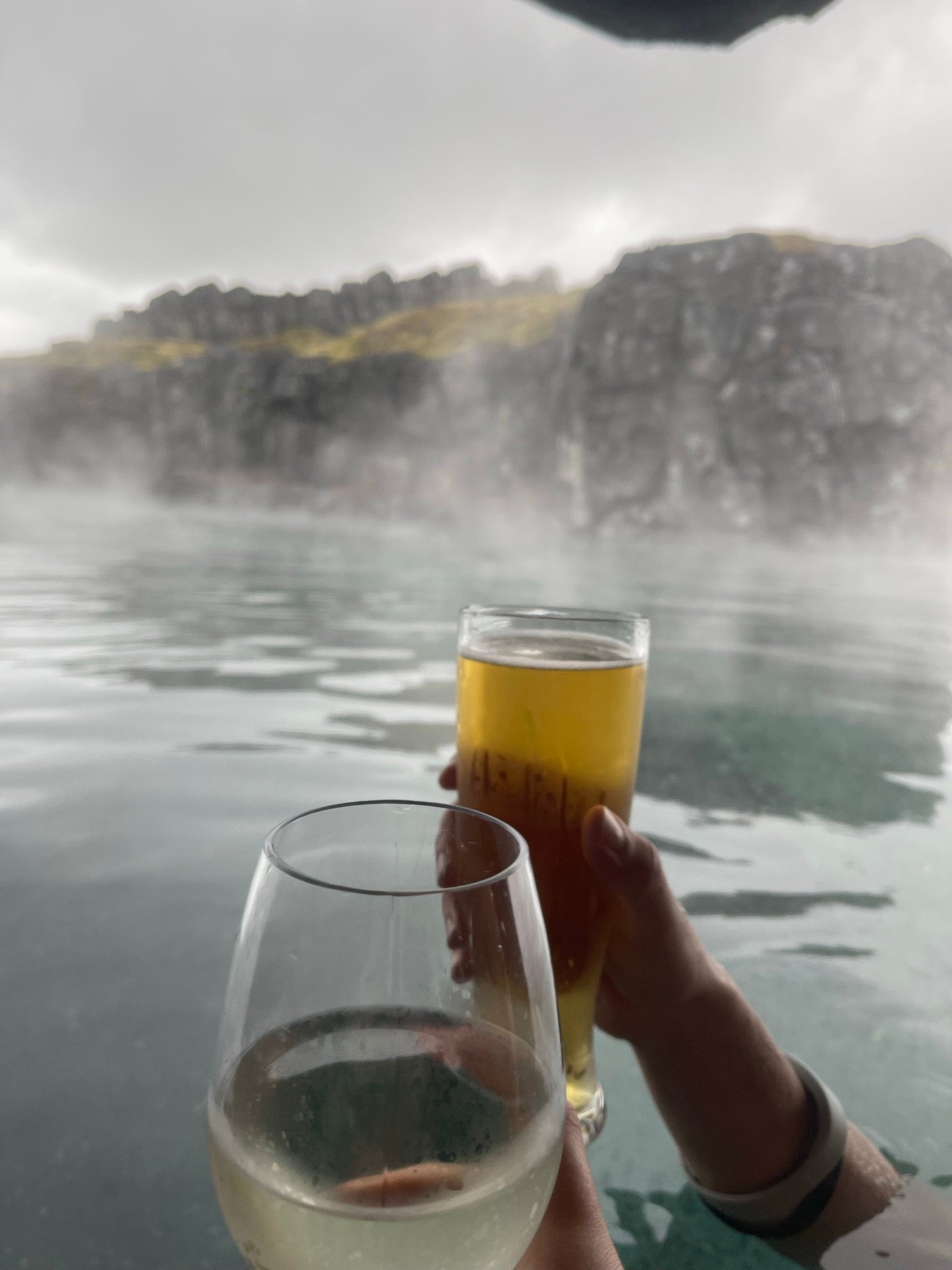
Sky Lagoon is purpose-built. It opened in 2021, and its 75-metre infinity edge looks straight out over the North Atlantic. Your pass includes a seven-step ritual: a slow soak in the lagoon (Laug), a cold plunge (Kuldi), the sauna (Ylur), a cold mist (Súld), a body scrub (Mýkt), the steam room (Gufa), and a taste of krækiber, the crowberries that dot Iceland’s lava fields (Saft). You can choose the SÉR pass, which has private changing facilities, or the SAMAN pass, with shared ones.
Blue Lagoon or Sky Lagoon?
Sky Lagoon for a less touristy experience, but the Blue Lagoon is worth doing once.
Reykjavik: Sky Lagoon Entrance Pass With 7-Step Spa Ritual
Entry to Sky Lagoon, an oceanside geothermal spa minutes from downtown Reykjavik, with a 7-step spa ritual as the North Atlantic stretches out in front of you.
Where to Stay
We stayed at Midgardur by Center Hotels, a 4-star hotel at Laugavegur 120, at the end of Laugavegur. Hallgrímskirkja is about a ten-minute walk away and Harpa about twenty minutes. It has a restaurant (Jorgensen), a bar and a 24-hour front desk, and the spa, hot tub and sauna were included when we stayed, but check at the time of booking.
Midgardur by Center Hotels
A 4-star hotel on Laugavegur, within walking distance of Hallgrímskirkja and the waterfront.
Check pricesSearch hotels in Reykjavik
Compare Reykjavik hotels and guesthouses on Booking.com.
Search hotels hereWhat We’d Book With More Time
These are the activities we didn’t get to this time, and a few we can’t wait to do next time we go.
Reykjavík: Whale Watching and Marine Life Cruise
A boat trip in Faxaflói Bay from Reykjavik’s harbour to look for whales, dolphins and porpoises. The peak season for whale watching runs from April to October, but you can spot marine life all year round.
Skaftafell: Blue Ice Cave & Glacier Hike on Vatnajökull
We can’t wait to do this one. Natural ice caves can only be visited with a certified guide, and the season runs from October/November to March.
Reykjavík: Silfra Fissure Snorkeling between Two Continents
Can’t wait to go back and do this activity. Silfra is a fissure in Þingvellir where you snorkel between the North American and Eurasian plates.
Why Iceland Keeps Pulling Us Back
Iceland is one of the places that amazed me. We visited again in spring, and we’re planning on going back a third time. It’s an island born out of volcanic activity, and it sits on the Mid-Atlantic Ridge, the boundary between the North American and Eurasian plates, which are slowly pulling apart at roughly 2.5 cm a year. It’s the only country that sits directly on that ridge, and the island began forming around 60 million years ago. The geography and geology are mind-blowing.
If you’ve got questions, want to share your own experience, or just want to say hello, I’d love to hear from you.
Welcome to the travel diary. I’m glad you’re here.
– Elena (and Cookie 🐾)
Follow us on